Ignition Coils and Automotive Filters for B2B Buyers
Build your aftermarket range with ignition coils, oil filters, fuel filters and selected steering and suspension parts. Send a reference-based buying list to discuss product identification, evidence, packing and quotation scope.
Explore the Sourcing Categories
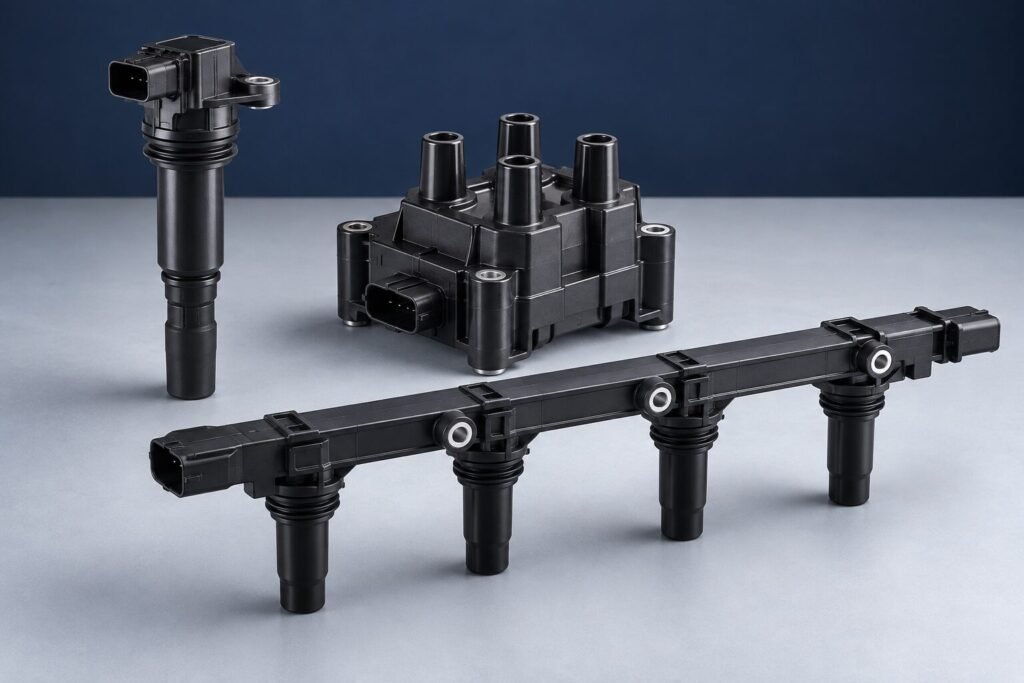
Ignition Coils
Review construction, application and the information needed for a reference-specific buying list.
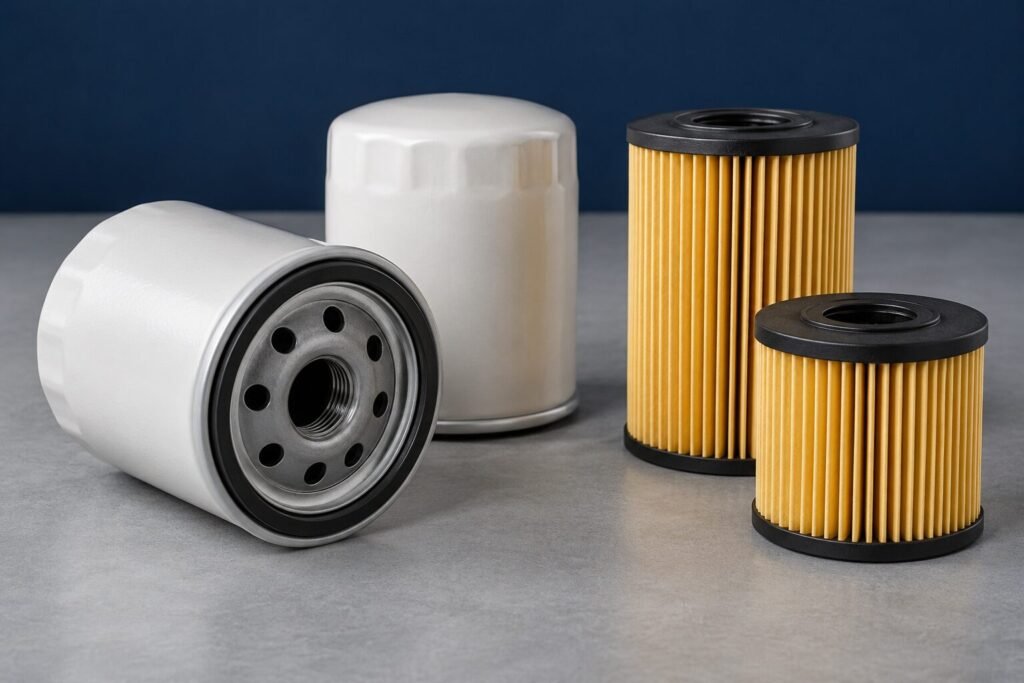
Oil Filters
Review construction, application and the information needed for a reference-specific buying list.
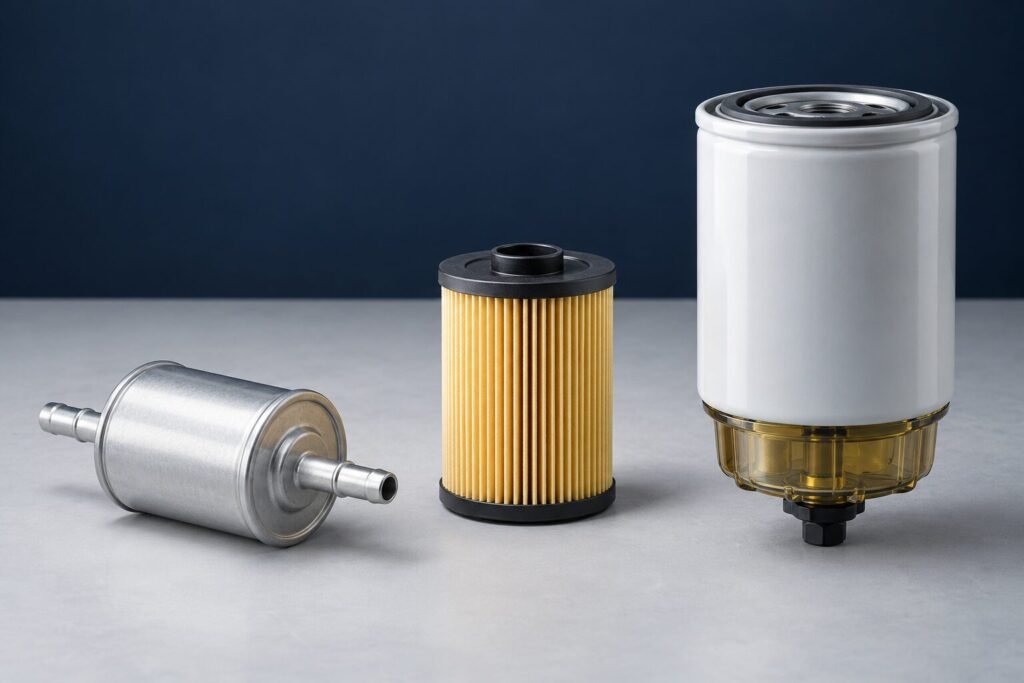
Fuel Filters
Review construction, application and the information needed for a reference-specific buying list.
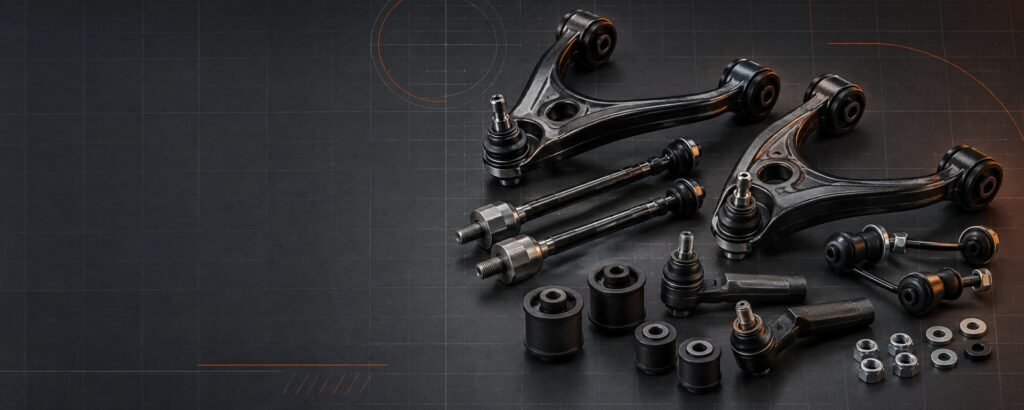
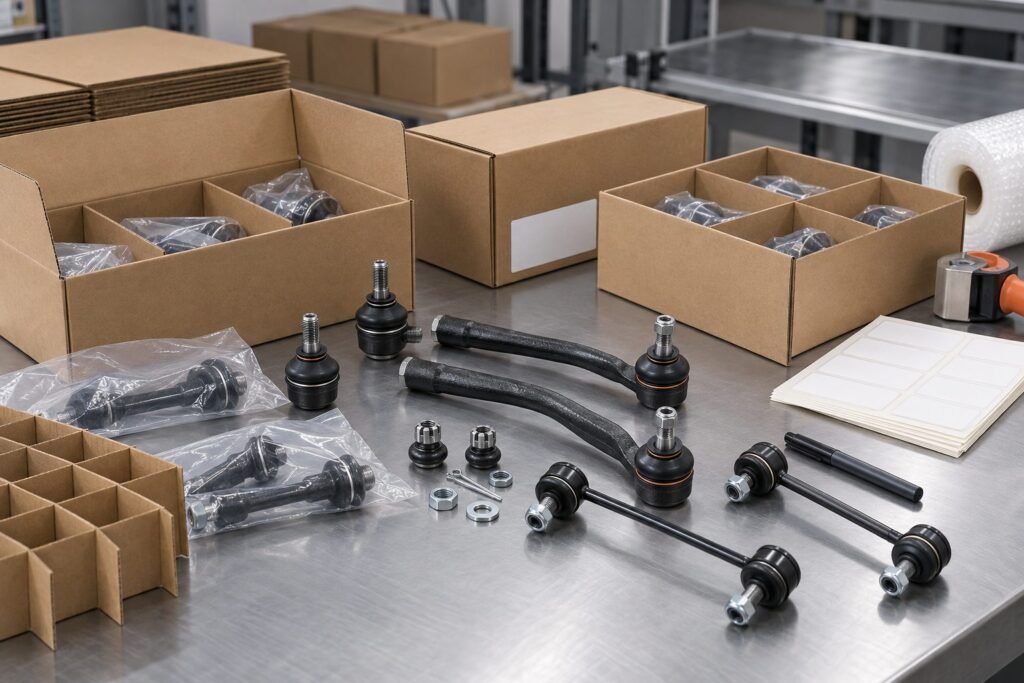
Steering & Suspension
Review construction, application and the information needed for a reference-specific buying list.
Ignition Coils
Standard replacement ignition components for petrol passenger-car applications. Start with the OE reference, engine and connector details.
Oil Filters
Replacement filtration enquiries matched by reference, dimensions and engine application. Define your packaging and quantity by item.
Fuel Filters
Petrol and diesel filtration enquiries, with water-separation and connection requirements checked where relevant.
Steering & Suspension
Selected stabilizer links, bushings and related replacement components, organized by vehicle, position and dimensions.
A Clearer Starting Point for Your Next Parts Order
Match the reference
Use your current part code, vehicle data or sample to identify what needs checking before a quotation.
Compare the same scope
Keep quantity, packaging, inspection requirements and delivery terms together, so offers can be compared on the same basis.
Plan your trial order
Discuss samples and mixed-SKU requirements before committing to a larger range. Availability and quantities depend on the selected supply route.
Send a Buying List. Start a Product-Specific Conversation.
1. Share references, application details and quantity by item.
2. Review matching information and open technical questions.
3. Confirm available supply, packing, inspection and commercial terms.
4. Agree the sample or order scope before payment.
Packaging and Quality Belong in the Quotation
Your buying list is only part of the order. Include logo artwork, barcode requirements, unit packing, carton limits and the evidence your team needs. Product-level specifications and supplier terms are reviewed before order confirmation.
Do you supply only Australia?
Enquiries are welcome from international aftermarket buyers. Include your receiving country, destination port and final market when relevant.
Can we use our own packaging?
Send your artwork and packing requirements. Feasibility, minimum quantity, cost and timing are checked for the selected item.
Can we combine different references?
Send quantity by reference. Mixed-SKU options depend on supplier minimums, availability and packing arrangements.
Do you sell genuine branded parts?
Brand authorization is not implied. Each quotation must identify the offered product, reference basis and supporting evidence.
A Quote Needs More Than a Part Name
Your application records, required contents and quantities define the buying request. Keep drawings, sample requirements, packing and destination information alongside the references. When a code or supplied component changes, review the proposal before treating it as your accepted replenishment item.
Packaging Belongs in the Order Scope
Send authorized artwork, buyer codes, barcode data and your unit and carton requirements. Product evidence and packaging approval are separate tasks. The proposal should identify feasibility, costs, responsibilities and any open questions before an order is agreed.
From Buying List to an Agreed Order
1. Identify the requested item
Send complete references, source records, quantities and the intended application or service. Keep missing information visible so the request is reviewed rather than guessed.
2. Review the proposal
Compare the proposed reference, evidence, supplied contents and open questions. Agree whether a sample, drawing review or specialist evaluation is needed before approval.
3. Confirm the commercial scope
Set the accepted item or service, packing, price, payment, delivery responsibilities and claim terms in writing. Feasibility and timing depend on the agreed supply route.
4. Keep the order record
Retain the accepted reference, evidence and packing version. Review changes before repeat purchasing; a later alternative should not silently replace the item you approved.
Compare the Same Scope Before the Price
Identification
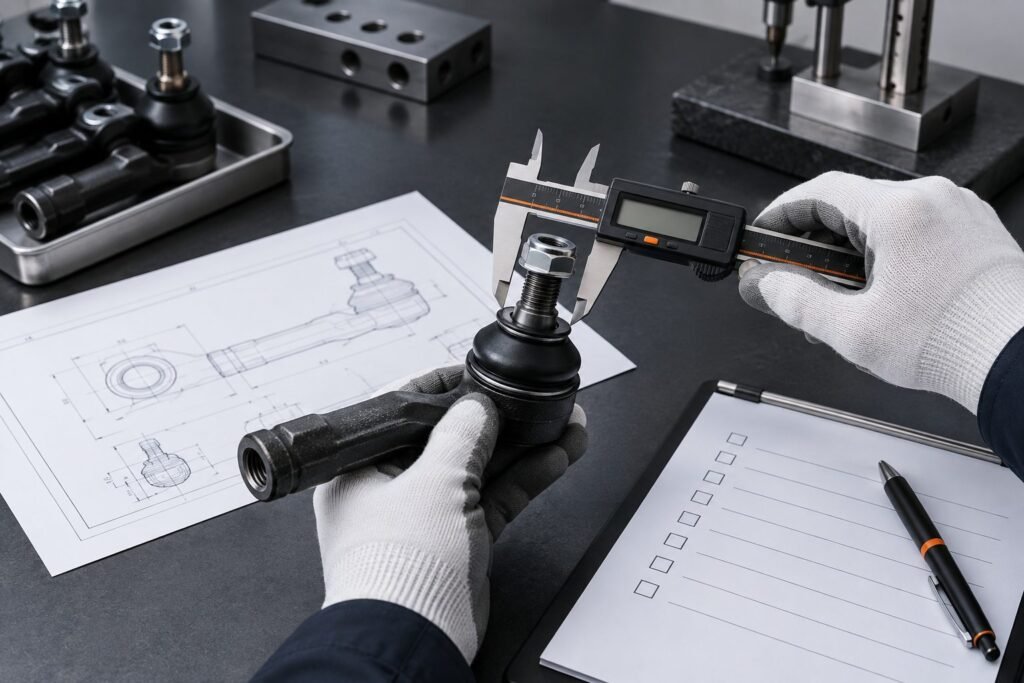
Compare the complete reference, application or service scope and source documents. Record any proposed substitute separately. A catalogue match or a similar photograph is not the same as an accepted replacement.
Supplied contents
List the requested components or deliverables, quantities and packing. Keep a single item, kit, assembly and coordination service distinguishable so you compare the same receiving unit.
Commercial scope
Request minimum quantities, item and packing costs, evidence availability, sample arrangements and delivery responsibilities. Record exclusions and unresolved requirements before deciding which offer to review further.